From Soil to Stars: Keiki Learning Through Āina
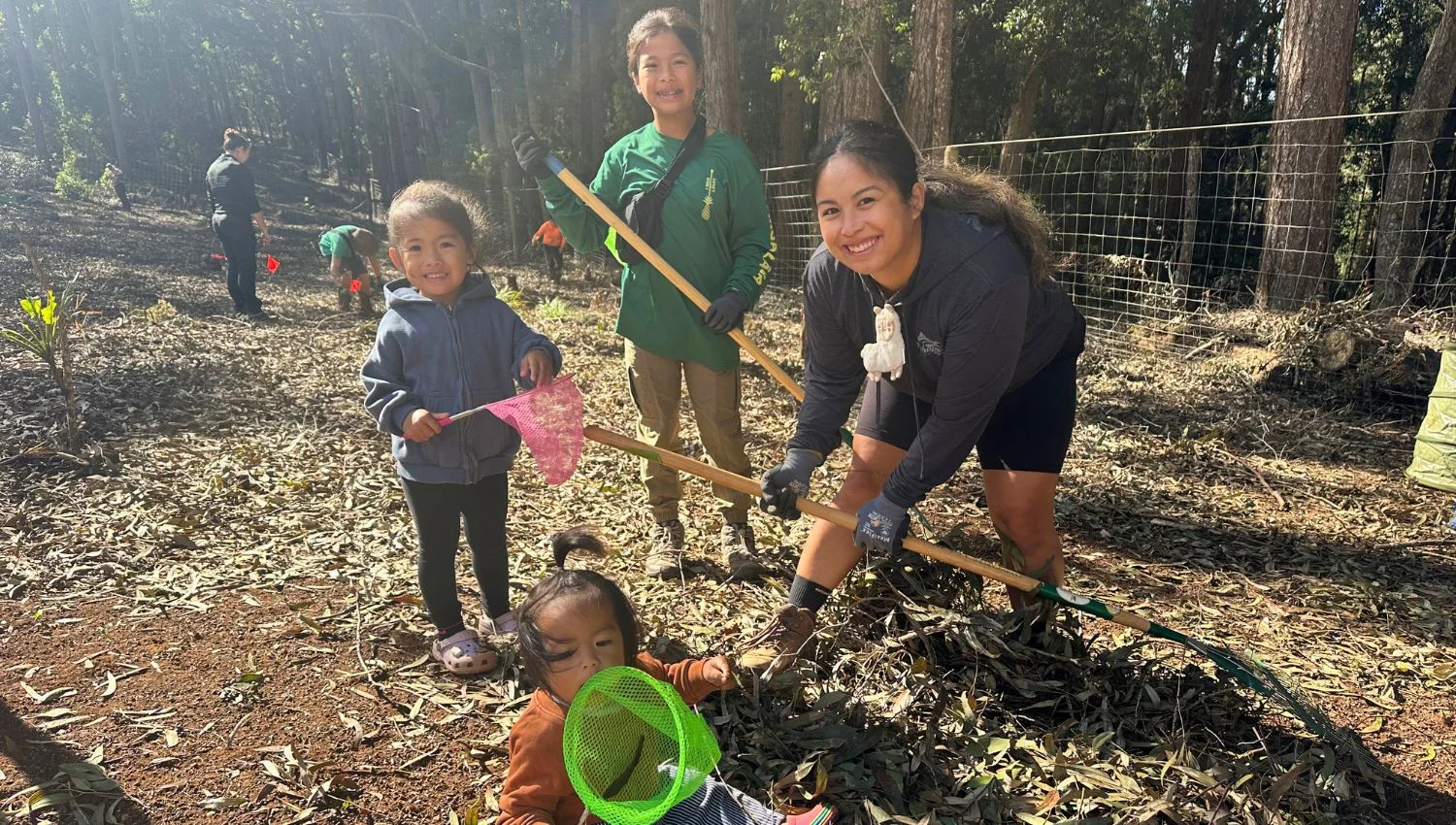
April 2026 — On Lānaʻi, the land carries the stories of generations, and through hands-on, ʻāina-based learning, those stories continue to live in the next generation of keiki. Throughout the year, students across grade levels take part in workshops and community experiences that bring together culture, ʻike and stewardship. This work is at the core of Lānaʻi Culture & Heritage Center’s mission to preserve, perpetuate and honor the island’s rich history, culture and values.
Our youngest learners begin by observing and connecting. Preschool students explore native and Polynesian-introduced plants using their senses and Hawaiian language to describe what they see and feel. Kindergarten students care for their garden spaces, harvesting ʻuala (sweet potato) and preparing for new growth, while learning the history of this important crop and its connection to their families and island.
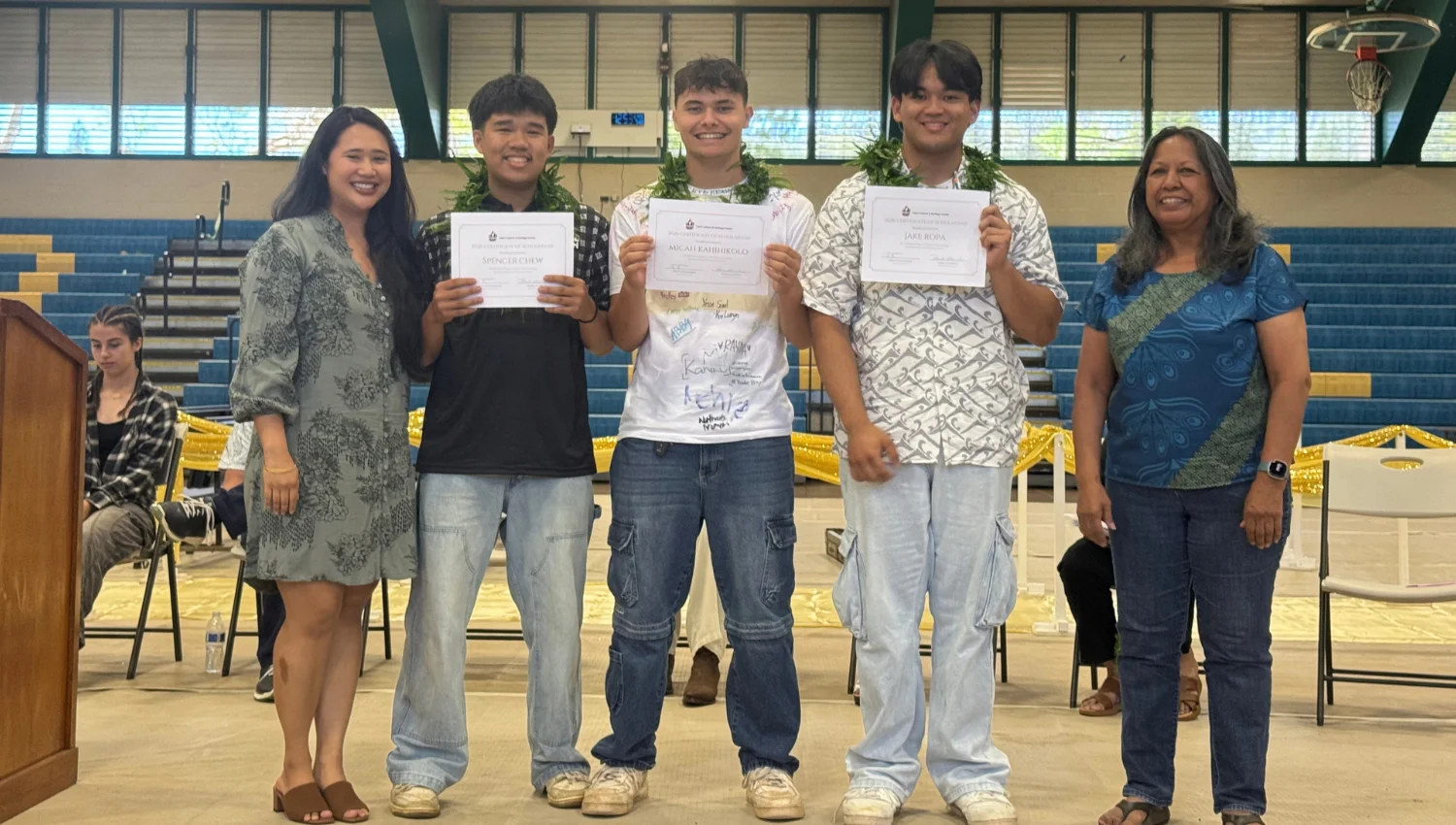
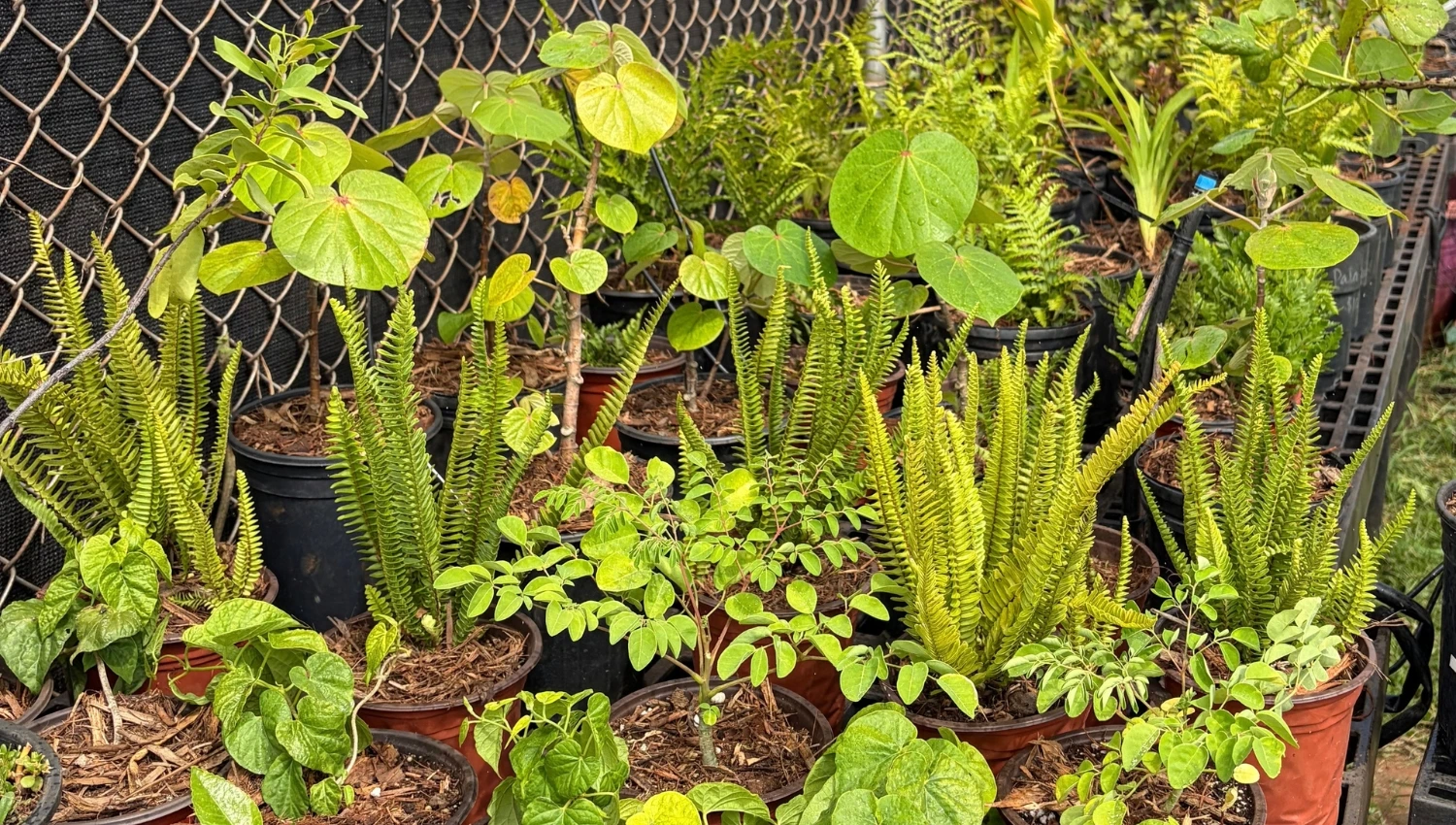
As students grow, their understanding deepens. Elementary students begin to ask questions about balance and ecosystems, while high school students engage in hands-on practices in the nursery and agroforest. They learn propagation methods such as working with strawberry runners, propagating plants from cuttings and air-layering fruit trees. Through these experiences, students come to understand that each plant has its own role and that how we choose to grow and care for them carries meaning.
This work is grounded in a shared commitment to the health of Lānaʻi’s biocultural landscape. Students are introduced to native species such as the nalo meli maoli (yellow-faced bees) and learn to recognize the difference between native and introduced plants. In doing so, they begin to see what belongs, what thrives, and what requires care and protection.
Learning extends beyond the land to the ocean and the sky. Lānaʻi CHC partners with LHES Foundation to conduct themed STEAM nights. During Ola Ke Kai, students observed sand crystals, limu and other marine life under microscopes, gaining a new appreciation for what exists beyond what the eye can see. At Kilo Hōkū, they turn to the night sky, building telescopes and learning to navigate by the stars, following pathways known to their ancestors.
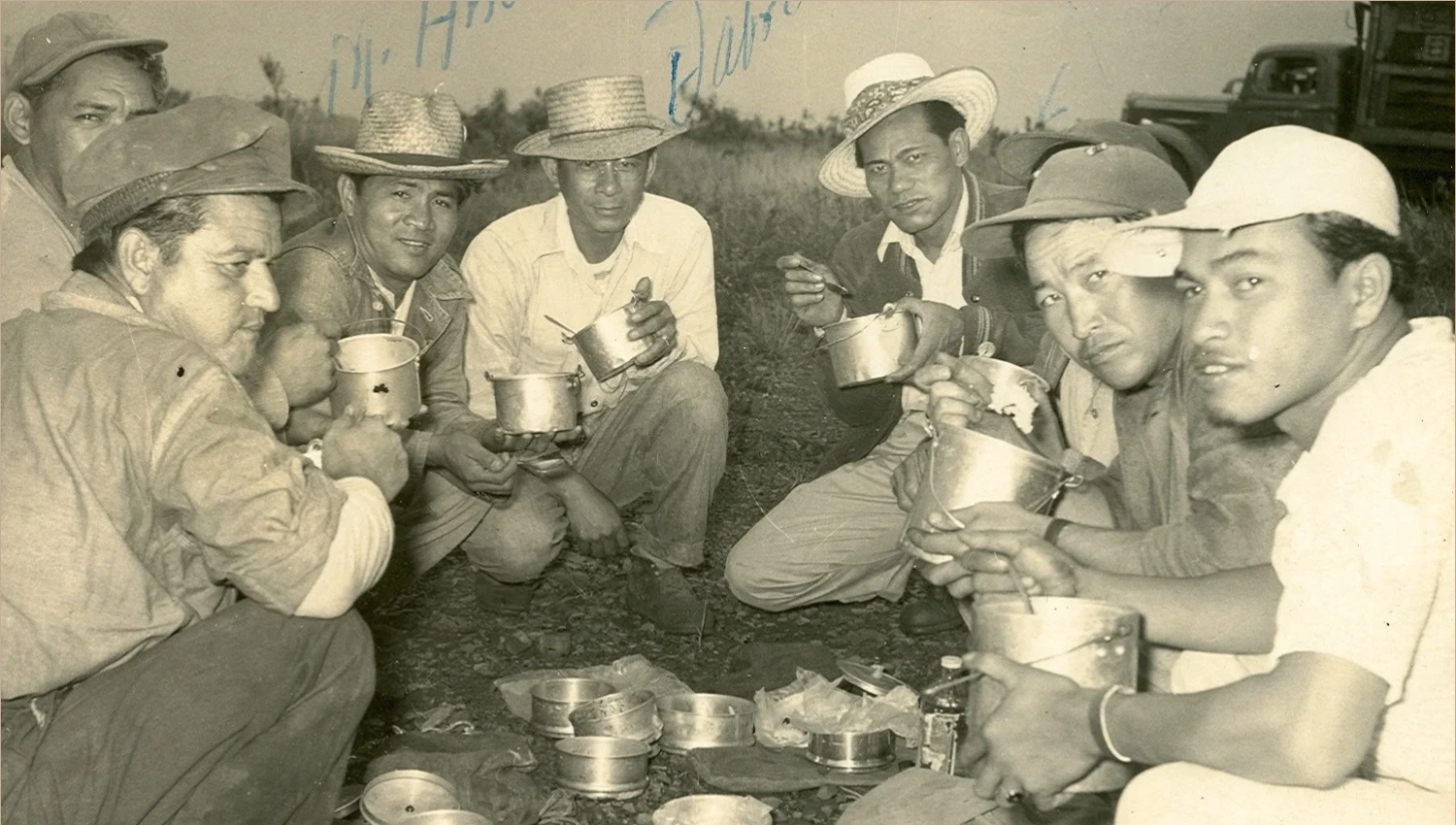
Kūpuna play an essential role in this journey. Through moʻolelo and talk story, they share lived experiences of Lānaʻi’s changing landscapes, from ranching days to conservation efforts and the challenges of invasive species. Their ʻike provides depth and connection, reminding students that the land and ocean are part of one living system. Facilitating these intergenerational connections will help grow the next generation of Lānaʻi leaders to have an attitude of aloha ʻāina in all that they do.
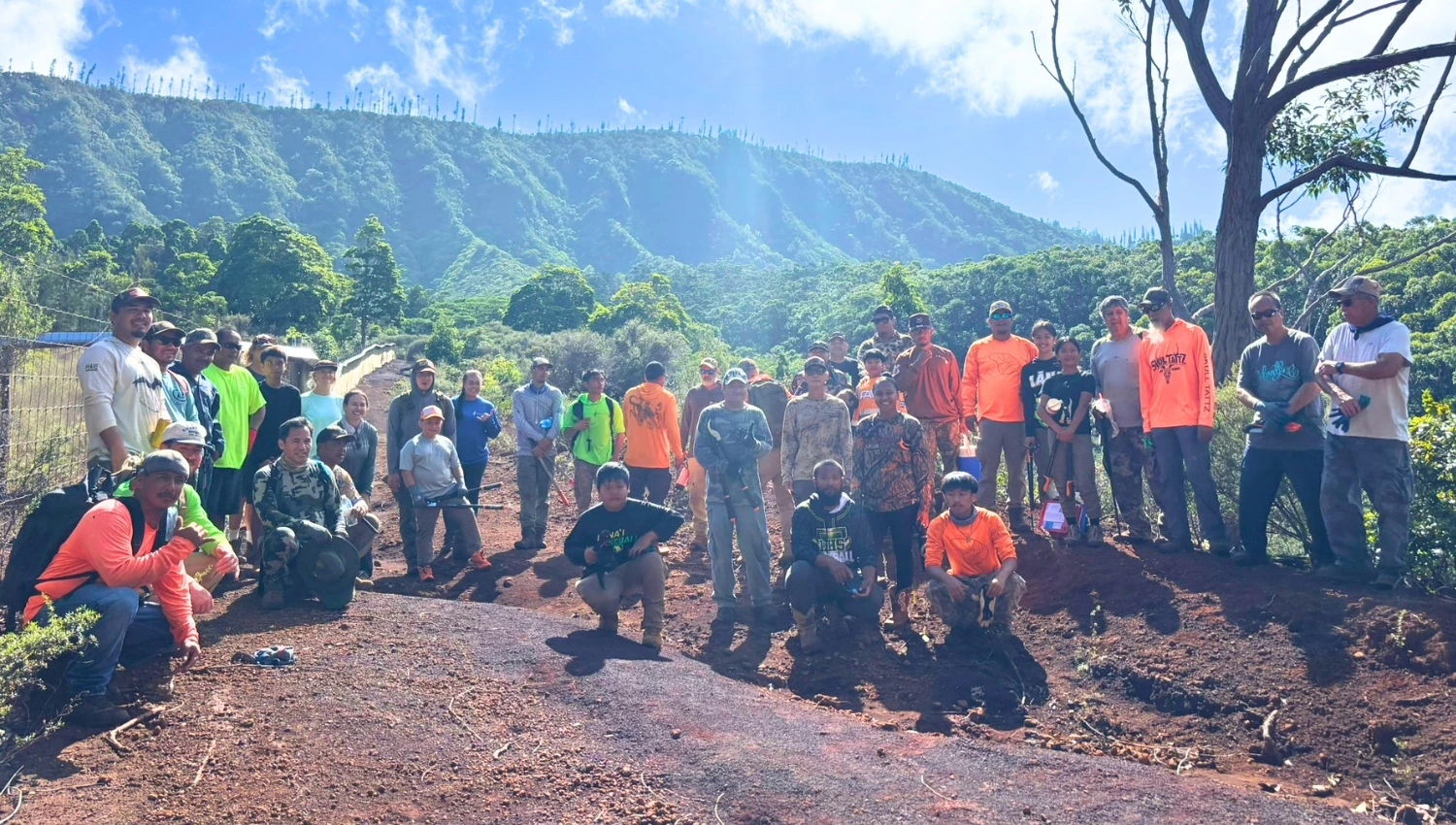
Beyond the classroom, this work continues across the island. Community efforts to manage invasive species have led to the removal of thousands of animals over the past five years, helping to restore balance and create space for native ecosystems to recover. Volunteer days provide additional opportunities for community stewardship of Lānaʻi’s special places.
In this way, ʻike is carried forward through both action and relationship. Through planting, observing, listening and caring, Lānaʻi’s keiki are learning how to build a deep and lasting connection to ʻāina, guided by those who came before and grounded in a shared responsibility for what lies ahead.
Mahalo to our supporters: Kamehameha Schools, National Fish & Wildlife Foundation, Stupski Foundation and Pūlama Lānaʻi.
Donate to support our ʻāina-based education programs. Click here.